As autumn arrives across southeastern Wisconsin, preparing your Brookfield fireplace for freezing temperatures is one of the most important home preservation tasks of the season. Cold weather places tremendous thermal and moisture stress on brickwork, mortar joints, and flue systems. A thorough early fall inspection protects your family from chimney fire hazards, prevents carbon monoxide leaks, and stops costly structural decay before sub-zero temperatures set in.
Key Question Answered: When should you schedule a fireplace inspection in Brookfield? Early fall (September or October) is ideal, allowing masonry repairs and tuckpointing to cure properly in moderate outdoor temperatures before freezing weather arrives.
Key Takeaways (TL;DR)
- Freeze-Thaw Defense: Moisture trapped in cracked brick or crumbling mortar expands when temperatures drop, creating rapid structural damage across chimney crowns and fireboxes.
- Pre-Season Safety: Early inspection detects flue blockages, cracked firebricks, failing dampers, and creosote buildup before you light the first fire of the season.
- Specialized Masonry Care: Professional tuckpointing, chimney crown rebuilding, and masonry waterproofing extend the lifespan of your fireplace and maintain your property’s value.
The Rise of Fall Masonry Maintenance in Wisconsin
Wisconsin winters present harsh environmental challenges for residential brick and stone structures. Between November and March, Waukesha County regularly experiences dozens of freeze-thaw cycles. When moisture penetrates exterior brickwork or chimney crowns during late fall rains, subsequent freezing temperatures turn that water into ice, expanding by roughly nine percent and fracturing mortar joints from the inside out.
Homeowners throughout Brookfield are increasingly prioritizing preventive masonry preservation over emergency winter fixes. Investing in pre-season chimney and firebox care prevents smoke drafting issues, water damage to interior ceilings, and expensive structural rebuilding projects down the road.
Understanding Fireplace Masonry Anatomy and Common Vulnerabilities
A residential masonry fireplace is a complex architectural system comprising several interrelated components. Understanding how these elements function helps homeowners spot early warning signs of degradation:
| Component | Primary Function | Common Fall Damage Symptoms |
|---|---|---|
| Chimney Crown | Concrete slab capping the top to shed rainwater away from bricks. | Hairline fissures, edge spalling, missing drip edge overhangs. |
| Firebox & Refractory Brick | Chamber containing active combustion and direct flame heat. | Cracked fireclay mortar, loose refractory bricks, soot erosion. |
| Exterior Chimney Stack | Vertical masonry housing the flue liner and venting exhaust gases. | Spalling brick faces, chalky efflorescence, missing mortar lines. |
| Flashing System | Sheet metal creating a watertight seal at the roofline junction. | Rust patches, lifted counter-flashing, cracked urethane sealant. |
Fireplace Masonry Inspection in Practice: Step-by-Step Checklist
Executing a reliable seasonal inspection involves systematic evaluation of both the interior hearth and the exterior chimney stack. Follow these practical assessment steps:
1. Interior Hearth and Firebox Examination
Begin by cleaning out residual ashes from the previous burning season using a metal shovel and vacuum designed for ash removal. Inspect the firebox walls with a high-lumen flashlight:
- Check Mortar Joints: Ensure refractory mortar between firebricks is solid, without gaps or missing sections exceeding one-eighth of an inch.
- Test the Damper: Open and close the metal throat damper several times. It should move freely, seat tightly against the frame, and show no severe rust pitting.
- Inspect the Lintel Bar: Examine the steel support bar across the top of the fireplace opening for rust or deflection.
2. Exterior Chimney and Masonry for Chimney Checks
The exterior chimney stack bears the brunt of Wisconsin wind, snow, and driving rain. When evaluating masonry for chimney structures, look for:
- Spalling Bricks: Bricks whose outer faces have flaked off or popped loose due to internal moisture expansion.
- Efflorescence: White, powdery mineral deposits on the exterior brick surface, signaling persistent moisture migration through the masonry wall.
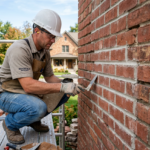
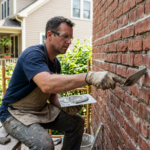
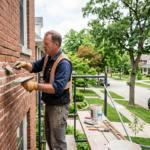
- Mortar Deterioration: Mortar joints that can be scratched away easily with a key or screwdriver, requiring professional tuckpointing.
3. Chimney Flashing and Crown Integrity
Water penetration at the roofline causes hidden rot in attic rafters and drywall ceilings. Confirm that chimney flashing is tightly embedded into mortar reglets and sealed with industrial-grade masonry caulk rather than deteriorated tar.
Masonry Fireplace Installation and Modern Upgrades
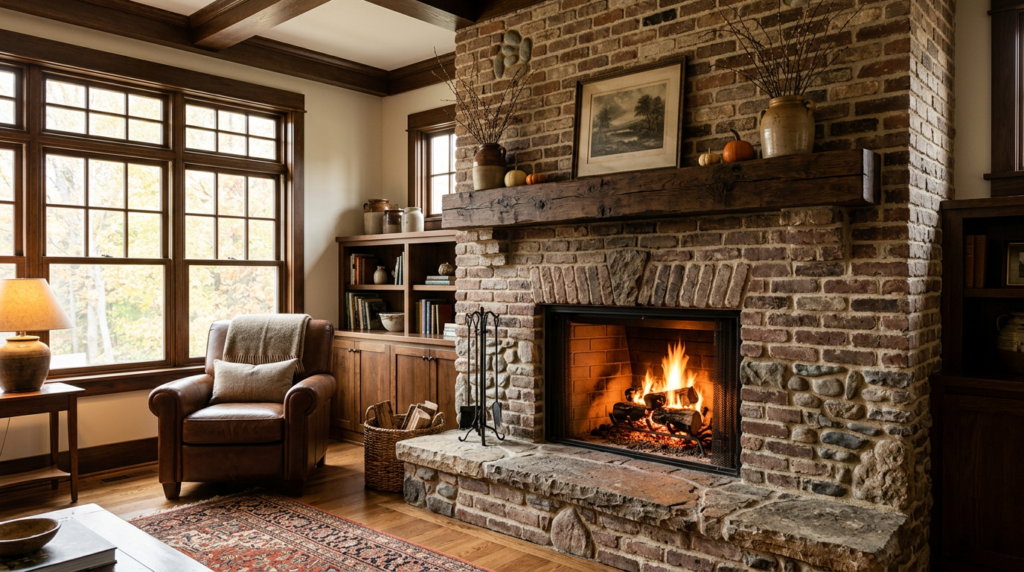
For homeowners looking to transform an outdated hearth or add heating efficiency, full masonry fireplace installation or custom stone facing offers long-term durability and aesthetic warmth. Modern masonry designs incorporate high-efficiency refractory fireboxes, custom-carved limestone mantels, and natural fieldstone surrounds that blend classic Midwestern craftsmanship with contemporary living spaces.
When planning a custom build or complete fireplace restoration, choosing specialized masonry materials engineered for intense heat cycling ensures safe operation for decades to come.
Tailored Solutions for Wisconsin Homes
Every home has distinct architectural characteristics and heating demands. Here is how seasonal fireplace care adapts across common residential property types in our area:
- Historic & Mid-Century Homes: Require lime-based mortar matches during tuckpointing to prevent cracking historic soft-fired brickwork.
- Modern Custom Builds: Benefit from breathable siloxane-based masonry water repellents that protect natural thin-stone veneers against wind-driven precipitation.
- High-Frequency Wood Burners: Require mid-season soot checks and annual chimney flue sweeps to manage creosote accumulation safely.
- Gas Conversion Fireplaces: Need annual burner pilot cleaning, refractory log repositioning, and gasket checks on sealed glass assemblies.
Why Choose Precision Masonry Pro in Brookfield
Maintaining solid, reliable masonry demands precise craftsmanship and deep familiarity with regional climate stresses. Precision Masonry Pro delivers skilled fireplace masonry, chimney rebuilds, tuckpointing, and historic restoration throughout Brookfield and surrounding communities.
Our experienced team uses proven masonry techniques, durable commercial-grade materials, and thorough diagnostic methods to keep your fireplace safe, structurally sound, and ready for cozy winter evenings.
Frequently Asked Questions
How often should fireplace masonry be inspected?
Fireplace masonry and chimney flues should be inspected annually, preferably in early autumn before seasonal operation begins. An annual check identifies minor mortar cracks and flashing gaps before winter moisture causes serious structural spalling.
What is tuckpointing and why is it necessary?
Tuckpointing is the process of routing out deteriorated, crumbly mortar between bricks and replacing it with fresh, weather-resistant mortar. It restores structural integrity, prevents water entry, and dramatically extends the life of your chimney and fireplace.
Can chimney repairs be completed in the winter?
While emergency repairs can be performed using cold-weather masonry adhesives and heated enclosures, standard tuckpointing and crown pouring are best completed in moderate autumn weather when temperatures remain above 40 degrees Fahrenheit for proper mortar curing.
What causes white stains on my exterior chimney bricks?
White staining is called efflorescence. It occurs when moisture travels through the brickwork, dissolves natural internal salts, and leaves those mineral salts behind as the water evaporates. It is a clear sign that water is infiltrating your masonry system.
Protect Your Brookfield Fireplace for the Coming Winter
Do not wait until the first winter snowfall to discover chimney leaks or drafting troubles. Taking proactive steps now ensures your home remains safe, warm, and inviting throughout the cold months ahead. Contact Precision Masonry Pro today to schedule your comprehensive fall fireplace masonry inspection and repair service in Brookfield.