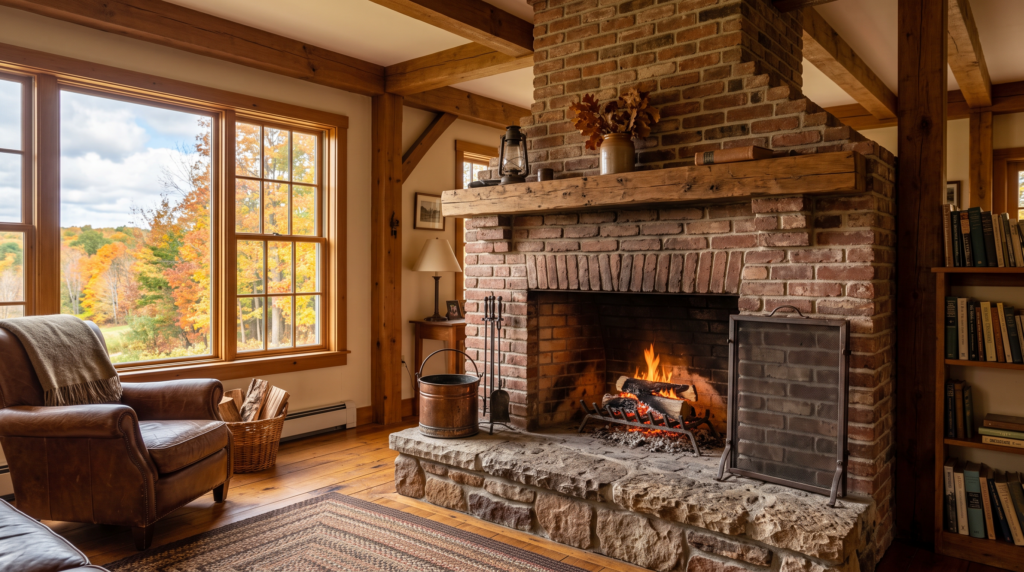
As winter temperatures settle across south-central and southeastern Wisconsin, keeping your fireplace and chimney safe becomes a top priority for protecting your household. When managing a home with a wood-burning or gas fireplace madison wi residents know that cold snaps, heavy snowfall, and rapid freeze-thaw cycles place extraordinary stress on exterior brick and interior fireboxes. Proper chimney upkeep prevents water intrusion, blocks toxic gases, and extends the lifespan of your heating hearth.
Key Questions Answered:
- What causes winter chimney deterioration? Water seeps into porous bricks and mortar, expands when freezing, and cracks the surrounding structure.
- How often should fireplace masonry be inspected? Industry standards recommend an annual inspection before lighting your first seasonal fire.
- Can damaged mortar joints be repaired without rebuilding? Yes, professional tuckpointing replaces degraded mortar to restore structural strength.
Key Takeaways (TL;DR):
- Wisconsin winter freeze-thaw cycles create severe moisture expansion inside exterior chimney brickwork, leading to spalling and water leaks.
- Annual professional evaluations identify cracked crowns, failing flashing, and creosote buildup before dangerous house fires occur.
- Targeted tuckpointing and quality waterproofing protect your masonry investment without requiring a complete teardown.
Understanding How Harsh Midwestern Winters Impact Residential Brickwork
Wisconsin winters subject residential homes to persistent sub-zero temperatures, freezing rain, and heavy blizzards. Bricks and traditional lime-based or cementitious mortars are porous materials designed to absorb and release microscopic moisture. When excess liquid enters through microscopic hairline fractures or degraded chimney crowns, sub-freezing temperatures cause that trapped moisture to expand by roughly nine percent. This internal pressure fractures brick faces, causes flaking known as spalling, and causes structural joint disintegration.
When unaddressed, moisture damage penetrates beyond exterior masonry. Water travels downward behind roof flashing and interior walls, rotting timber framing, ruining drywall ceilings, and rusting metal firebox liners and dampers. By the time indoor water staining appears around the hearth, the exterior chimney stack has often suffered extensive degradation. Early intervention keeps minor surface mortar repairs from escalating into full chimney reconstructions.
In addition to structural wear, a compromised chimney flue disrupts draft dynamics. Inadequate updraft allows carbon monoxide and dense wood smoke to backdraft into living areas, compromising indoor air quality. Ensuring airtight masonry seals and clean flue passages guarantees that combustion byproducts exit safely through the top of the stack.
The Rise of Preventative Chimney and Fireplace Care in Wisconsin
Historically, many property owners treated fireplaces purely as rustic architectural accents, calling for repair only after noticeable smoke filled the living room or exterior bricks crumbled into roof gutters. In recent decades, updated building codes, rising energy conservation standards, and improved safety awareness have transformed fireplace care into a proactive discipline.
Modern homeowners recognize that preventative maintenance delivers substantial financial and safety benefits. According to safety guidance on annual chimney safety inspections, certified chimney sweeps and masonry specialists identify hidden flue blockages, dangerous creosote accumulation, and micro-fractures before winter heating demands peak. Routine care keeps heating bills lower by preventing draft loss and avoiding costly emergency mid-winter chimney rebuilds when snow covers rooftops.
Professional Fireplace Masonry and Chimney Inspection in Practice
A rigorous seasonal evaluation requires examining both internal components and exterior masonry structures. While homeowners can perform routine visual spot-checks from the ground, professional masonry evaluations follow a systematic multi-point protocol:
- Chimney Crown and Chimney Cap Assessment: The concrete chimney crown seals the top of the masonry structure, shedding rainfall away from the bricks below. Technicians inspect the crown for surface pitting, structural shrinkage cracks, and missing chimney caps that permit animal entry and direct rainwater intrusion.
- Flashing and Roof Intersection Sealing: Metal flashing forms a watertight barrier between your roofline and the vertical brick chimney stack. Inspectors look for lifted edges, dried caulking, and rusted counter-flashing that permit water to travel directly into attic insulation.
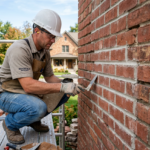
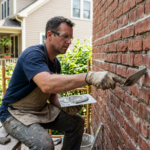
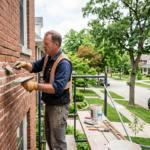
- Mortar Joint Integrity and Tuckpointing Evaluation: Mortar joints naturally deteriorate faster than hardened clay bricks. Specialists test for soft, crumbling, or receded mortar that requires precision tuckpointing.
- Firebox and Damper Operation: Inside the home, technicians inspect refractory firebrick and heat-resistant mortar for thermal cracks, checking that the throat damper opens and seals tightly to block cold drafts.
- Waterproofing and Moisture Barrier Checks: Best practices highlighted in chimney waterproofing and damper maintenance emphasize breathable siloxane-based water repellents that block liquid water while allowing internal vapor to escape naturally.
Key Warning Signs: From Spalling Bricks to Flashing Leaks
Homeowners should stay vigilant for visible indicators of masonry distress throughout the autumn and winter months. Catching these early symptoms saves thousands of dollars in restoration expenses:
- Spalling or Flaking Brick Surfaces: Finding brick chips or red dust on your roof shingles or near the base of your foundation indicates that trapped water has frozen and blown off the outer brick faces.
- Efflorescence (White Chalky Staining): A white, powdery residue on exterior brickwork signifies that moisture has migrated through the masonry, dissolving internal salts and depositing them on the surface upon evaporation.
- Rusted Firebox Components and Dampers: Excessive moisture entering the flue causes iron dampers to stick, squeak, and corrode, preventing a tight seal when the hearth is idle.
- Interior Wall or Ceiling Discoloration: Yellow or brown stains on walls adjacent to the chimney stack point to active water leakage through cracked flashing or porous brickwork.
- Unpleasant Chimney Odors: Musty, sour, or smoky smells emerging from the firebox during humid or rainy days often indicate soot and creosote mixing with trapped internal moisture.
Tailored Solutions for Historic and Modern Wisconsin Homes
Every home has distinct architectural requirements based on construction era, heating fuel type, and regional microclimate conditions across Wisconsin communities:
- Historic Brick and Stone Residences (Pre-1950s): Older homes throughout established neighborhoods often feature soft clay bricks and original lime mortar. These structures require historic mortar matching and careful hand-tool tuckpointing to prevent damaging delicate antique brick edges.
- Mid-Century and Suburban Construction: Homes built with concrete block chimney cores and brick veneers benefit from regular concrete crown resurfacing, counter-flashing resealing, and full-stack breathable water-repellent applications.
- New Construction and Custom Hearth Additions: Modern homes incorporating high-efficiency gas fireplaces or contemporary masonry fireplace installation require code-compliant clearance from combustibles, properly sized stainless steel or clay liners, and precision exterior stone veneer work.
- Budget-Conscious Preventative Maintenance: Property owners focused on long-term value can pair minor mortar touch-ups with high-grade crown sealants and stainless steel chimney caps to guard against rapid freeze-thaw decay without exceeding maintenance budgets.
Why Choose Precision Masonry Pro for Your Fireplace Masonry Needs
Precision Masonry Pro delivers master craftsmanship and reliable structural masonry solutions across Brookfield, Milwaukee, Madison, and surrounding Wisconsin regions. Backed by extensive field experience, our team approaches every residential chimney and fireplace project with meticulous attention to detail and unwavering safety standards.
Whether you require targeted tuckpointing, chimney crown rebuilding, flue relining, or a completely new custom masonry fireplace installation, we use industry-leading materials engineered to withstand brutal Wisconsin winters. We respect your property, provide clear upfront project scopes, and ensure all work complies with local building and fire safety codes.
Frequently Asked Questions About Fireplace and Chimney Care
How often should I have my fireplace masonry inspected?
You should schedule a professional fireplace and chimney inspection once every twelve months, ideally in late summer or autumn before lighting your first fire. Annual evaluations catch small cracks and moisture issues before freezing temperatures worsen the damage.
What is tuckpointing and when is it necessary?
Tuckpointing is the process of routing out deteriorated, crumbly mortar to a uniform depth and applying fresh, color-matched mortar into the joints. It is necessary whenever existing mortar recedes more than a quarter-inch, crumbles when scraped, or allows water penetration between bricks.
Can a cracked chimney crown cause interior house leaks?
Yes. A cracked or deteriorated chimney crown allows rain and melting snow to run directly down the interior core of the masonry stack. This moisture can rot attic wood, soak drywall, and damage ceiling plaster around your fireplace.
Is standard silicone caulk suitable for chimney flashing repairs?
Standard household silicone caulk degrades quickly when exposed to roof heat and UV radiation. Chimney flashing requires specialized elastomeric polyurethane or polymer roof sealants that maintain flexibility throughout seasonal temperature swings.
Protect Your Wisconsin Home Hearth This Season
Safeguarding your home against winter weather starts with a sound chimney and structurally secure fireplace masonry. Addressing small mortar voids, sealing crowns, and inspecting flashing now ensures cozy, worry-free warmth throughout the coldest months of the year. Contact Precision Masonry Pro today to schedule your comprehensive chimney evaluation and keep your hearth performing safely for years to come.