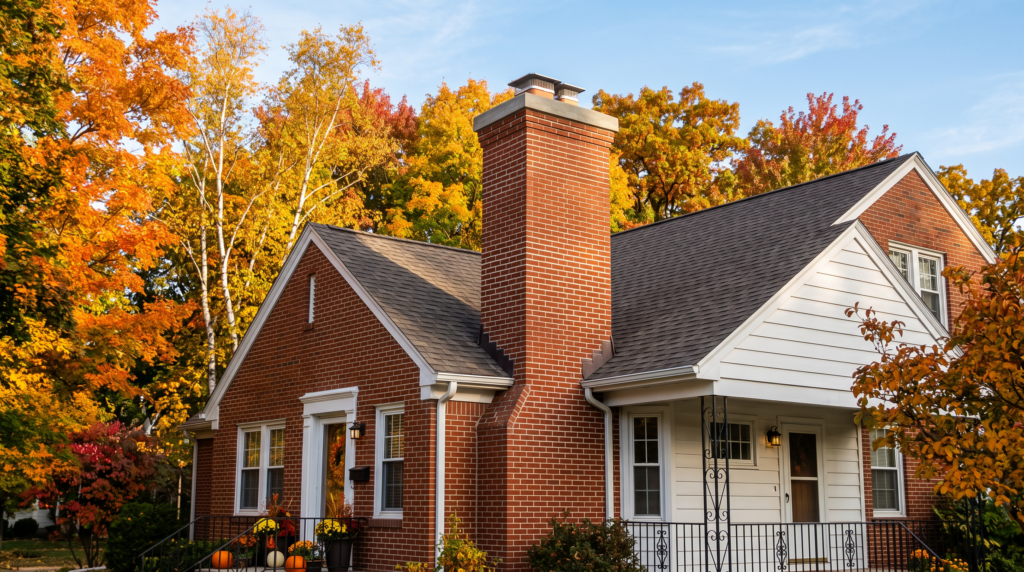
Autumn in southeastern Wisconsin brings cooler evenings, colorful foliage, and the comfort of lighting the hearth. Before firing up your wood-burning or gas hearth for the cold season, taking a close look at your exterior brickwork and flue structure is essential. Protecting your home begins with catching small masonry defects before harsh Midwestern sub-zero temperatures turn minor hairline fractures into major structural failures.
Key Takeaways for Homeowners
- Harsh Weather Vulnerability: Wisconsin experiences frequent freeze-thaw cycles that force trapped moisture inside brick and mortar joints to expand, leading to spalling and crumbling.
- Timely Fall Inspections: Checking crowns, flashing, and mortar joints during early autumn allows repairs before sustained freezing conditions halt mortar curing.
- Professional Masonry Solutions: Quality tuckpointing, crown rebuilding, and breathable waterproofing extend the lifespan of your exterior stonework by decades.
Why Freeze-Thaw Weather Demands Proactive Masonry Care
Masonry materials like clay brick, concrete block, and traditional mortar are naturally porous. During late autumn rainstorms and early winter snowfalls, moisture easily penetrates these pores. When temperatures drop below 32 degrees Fahrenheit, the water trapped inside expands by approximately nine percent. As the temperature rises during daytime sunlight and drops again at night, this repetitive cycle breaks mortar bonds and fractures brick faces.
Chimneys are especially exposed because they extend above rooflines without the protective overhangs that shield exterior walls. A well-maintained chimney masonry structure stands up to severe climate shifts only when mortar joints remain tight and water-resistant.
Critical Fireplace and Chimney Components to Inspect
To ensure total heating safety and preserve structural integrity, evaluate these key areas:
- The Chimney Crown: The concrete slab at the top of the stack designed to shed rain away from the flue. Hairline cracks in the crown allow water straight down into the inner brick structure.
- Mortar Joints and Tuckpointing: Eroded, powdery, or recessed mortar leaves gaps where water pools. Precision tuckpointing removes decayed mortar and repacks joints with durable, weather-rated compounds.
- Roof Flashing Seals: The sheet metal junction where the roof meets masonry. Damaged or lifted flashing is a primary cause of ceiling water stains.
- Flue Liners and Firebox Masonry: The interior firebrick and clay liner contain extreme heat. Cracks inside the firebox can allow combustible gases or stray sparks to reach structural wall studs.
- Chimney Caps and Spark Arrestors: Caps prevent rain, snow, debris, and curious wildlife from nesting inside open flues.
Proven Methods to Restore and Protect Exterior Brickwork
Addressing deterioration early saves thousands of dollars compared to complete rebuilds. Effective restoration techniques include:
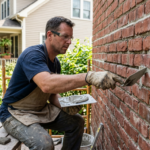
- Precision Tuckpointing: Grinding out old, damaged mortar to a uniform depth and applying fresh mortar matched specifically in strength and color to the existing brick.
- Crown Reconstruction or Floating Sealant: Installing reinforced concrete crowns with proper drip edges that direct runoff away from vertical walls.
- Individual Brick Replacement: Carefully removing spalled or cracked bricks and setting new matching units without disturbing adjacent courses.
- Breathable Waterproof Application: Applying siloxane or silane-based sealers that stop liquid water intrusion while allowing internal vapors to escape freely.
Tailored Solutions for Residential Properties
Every home presents distinct structural and architectural requirements based on age, construction materials, and environmental exposure:
- Historic Brick Homes: Older properties require softer lime-based mortars to prevent hard modern cement from cracking vintage bricks.
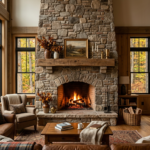
- Modern Custom Fireplaces: Contemporary hearth installations benefit from specialized firebrick alignments and decorative natural stone facing.
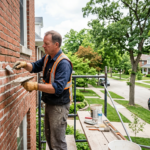
- Commercial and Multi-Family Buildings: Larger masonry stacks require heavy-duty scaffolding, comprehensive safety rigging, and strict code compliance.
Frequently Asked Questions
How often should chimney and fireplace masonry be inspected?
Industry standards recommend an annual inspection before the start of each heating season to catch mortar deterioration, cracked flue tiles, or loose flashing before winter sets in.
What is the difference between repointing and tuckpointing?
Repointing refers to removing deteriorating mortar and filling joints with fresh compound. Tuckpointing takes this further by using contrasting mortar colors and fine raised lines to give the masonry crisp visual definition alongside structural renewal.
Can masonry repairs be performed during cold winter months?
While minor emergency repairs with heated enclosures are possible, standard mortar requires temperatures consistently above 40 degrees Fahrenheit to cure properly. Early autumn is the ideal window for long-lasting results.
Why Homeowners Trust Precision Masonry Pro in Brookfield, WI
Precision Masonry Pro delivers master-level craftsmanship across Brookfield, Wisconsin and the surrounding communities. From custom fireplace installations and intricate brick tuckpointing to complete chimney restorations and foundation repairs, our experienced team ensures your stonework remains beautiful and resilient throughout tough Wisconsin winters. Located at 13160 W Burleigh Rd, Ste 105 in Brookfield, WI, we take pride in durable workmanship built to stand the test of time.
Protect Your Investment Today
Do not wait for winter freeze-thaw cycles to compromise your chimney or hearth. Inspecting and restoring your masonry now guarantees a warm, worry-free season for your entire family. Reach out to Precision Masonry Pro to schedule your comprehensive masonry assessment and prepare your home for the months ahead.